What is a stroke?
A stroke is a cerebrovascular incident in which there is a lack of oxygen being supplied to the brain.
This is a modified shorter version of a blogpost originally appeared on our blog Conocimiento: A Tu Salud.
A stroke is a cerebrovascular incident in which there is a lack of oxygen being supplied to the brain.
This is a modified shorter version of a blogpost originally appeared on our blog Conocimiento: A Tu Salud.
Nuestro cuerpo tiene la capacidad de adaptarse a cambios en nuestro ambiente, pero cuando estos cambios son muy rápidos nos vemos afectados grandemente. Las burbujas pueden visualizarse como algo inofensivo e inútil, pero dentro de nuestro cuerpo, y en otros campos del saber, tiene un papel crucial. Cambios rápidos en la presión que es ejercida sobre nosotros puede provocar la formación de microburbujas que afectan nuestra salud.
Para obtener un mayor provecho a nuestro alrededor es necesario entender y comprender la materia y todo lo que nos rodea. Por esta razón que el implementar formas para obtener data es crucial para los investigadores y para el crecimiento del mundo. NanoSIMS es solo una de las maneras que el ser humano ha desarrollado para entender la materia.
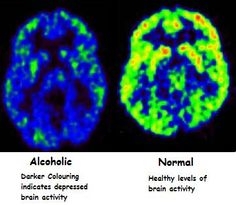
Alcohol consumption has some benefits: helps us relax and generally makes us have a good time. But not everyone has the same relationship with alcohol. There are some people who are more affected by alcohol consumption than others, either because of genetic predispositions, the environment they grew up in or behaviors they observed. Although for some, the two or three drinks on a Friday is no more than an escape without much consequence, for others it can be a sentence to constant suffering.
El oro ya no es visto solamente como parte de la joyería e industria, sino que ahora tiene un mayor auge en la medicina y podría ser el comienzo para contrarrestar enfermedades tales como el cáncer y daños en los riñones.
Some will feel the like their chest is going to pop out because someone has told them that they have a “liver of steel” during their career as professional drinkers. What you haven’t been told is that the origin of this saying is because the liver hardens and loses its function for those who abuse alcohol. Because we only have one liver, once you damage it, there’s no plan B, YOU lost the game. It’s not like the kidneys which if you remove one, there’s still another one and you can receive dialysis to ameliorate the symptoms. But many people take the comment a joke. Now I’ll explain what happens to your liver every time you go drinking and abuse alcohol.
Today, April 7th, is Alcohol Screening Day. "Ugh! Don’t sign me up for that one! Alcoholism. What an ugly word!" Yes, it is. But the reality of life as an alcoholic or having a friend or family member suffering from this health condition is even uglier.
Why does alcohol cause so much trouble and why is taboo to talk about alcoholism? After all, alcohol is a legal product and in Puerto Rico consumption often is glorified.
Recently, Dr. Irving Vega, Associate Professor at Michigan State University, presented his talk "Research on Alzheimer's disease: from bench to society". On the occasion of the "Brain Awareness Week" celebration, we share the video of his talk and an article written by Dr. Vega. This is the first of multiple posts that we will be sharing with you this week exploring different conditions related to the health of our brain.
----------------------- ---------------------
For many people, reaching the age of 50 marks the beginning of an important stage in their lives. Many take the opportunity to reflect on their experiences, achievements, and wishes to fulfill. But we should also recognize that no matter how young and full of energy we feel, it is natural that with age certain changes occur that affect the normal functioning of our body. This is why, according to the American Cancer Society (ACS), every person should have a screening test for colorectal cancer starting at the age of 50.
Colorectal cancer is the second leading cause of cancer death in the U.S. In Puerto Rico, it is the second most common type of cancer. It is also recognized as the second leading cause of cancer death for women, as well as the third cause for men.