The destruction of habitat and incidental over-fishing are the two main threats for 37 species of sharks that have been identified in Puerto Rico.
For the full article, please refer to the Spanish version of this site.


Quebradillas - On the beaches of this municipality, hermit crabs face a silent dilemma: there are not enough shells to protect their soft bodies. Faced with scarcity, many resort to pieces of trash as shelter. Now, a scientific and community initiative is turning to an unexpected tool to address the crisis: shells made with 3D printers.

On an island that imports 85% of what it consumes, seeing the shelves full of products in supermarkets, despite the fact that the last natural disaster was a year ago with Hurricane Fiona, does not hide an irrefutable fact: Puerto Rico is at the mercy of the ravages of climate change in the countries that supply it with food, agreed multiple voices consulted by El Nuevo Día.

Stopping the illegal hunting of sea turtles, the plundering of their nests and the theft of their eggs has been the goal of a group of friends from Maunaba who, since 2001, have been engaged in research on the populations of these endangered species and the alternatives to preserve them.
Although it has been scientifically recognized that the Puerto Rican bee is highly valued for its docility and resistance to diseases and pests that attack this species in other countries, Puerto Rico has not developed a beekeeping market that could not only contribute economically to the government, but also help in the pollination process in local and international agricultural sectors.
Read the full story in the spanish version.
El módulo tiene como meta familiarizar al estudiante con estrategias y métodos utilizados para el análisis de experimentos conductuales y moleculares como “Western blots” e inmunohistoquímica con florescencia. El módulo describe el proceso de análisis de los datos cualitativos y cuantitativos del estudio. Un proceso de análisis de tres pasos será descrito en el módulo. Los pasos del proceso de análisis de los datos son:
Estos pasos pueden completarse en serie y en algunos casos de manera concurrente.
Objetivos de aprendizaje del módulo:

The destruction of habitat and incidental over-fishing are the two main threats for 37 species of sharks that have been identified in Puerto Rico.
For the full article, please refer to the Spanish version of this site.

The Puerto Rico Science, Technology and Research Trust (PRSTRT) announced the establishment of the Vector Control Unit of Puerto Rico after receiving official announcement of the Center for Diseases Control & Prevention (CDC) for a collaborative agreement for this purpose. Such collaborative agreement will give the Trust a grant to create, manage and operate this unit.

The agricultural biotechnology industry in Puerto Rico is solid and growing and ready to face the competition from other jurisdictions, said the Puerto Rico Agriculture Biotecnology Industrial Association (Prabia). The companies that integrate this consortium are AgReliant Genetics, Bayer CropScience, Dow AgroSciences, DuPont Pioneer, Illinois Crop Improvement Association, Monsanto and Syngenta.
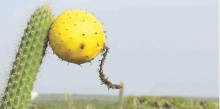
According to the US Federal Fish and Wildlife Service there are 14 endangered species of flora and fauna in Puerto Rico.
To read the full article, visit the Spanish version of this site.
See gallery below:

Coquí guajón: Eleutherodactylus cooki